
Blog
Essential Equipment Your New GP Practice Needs

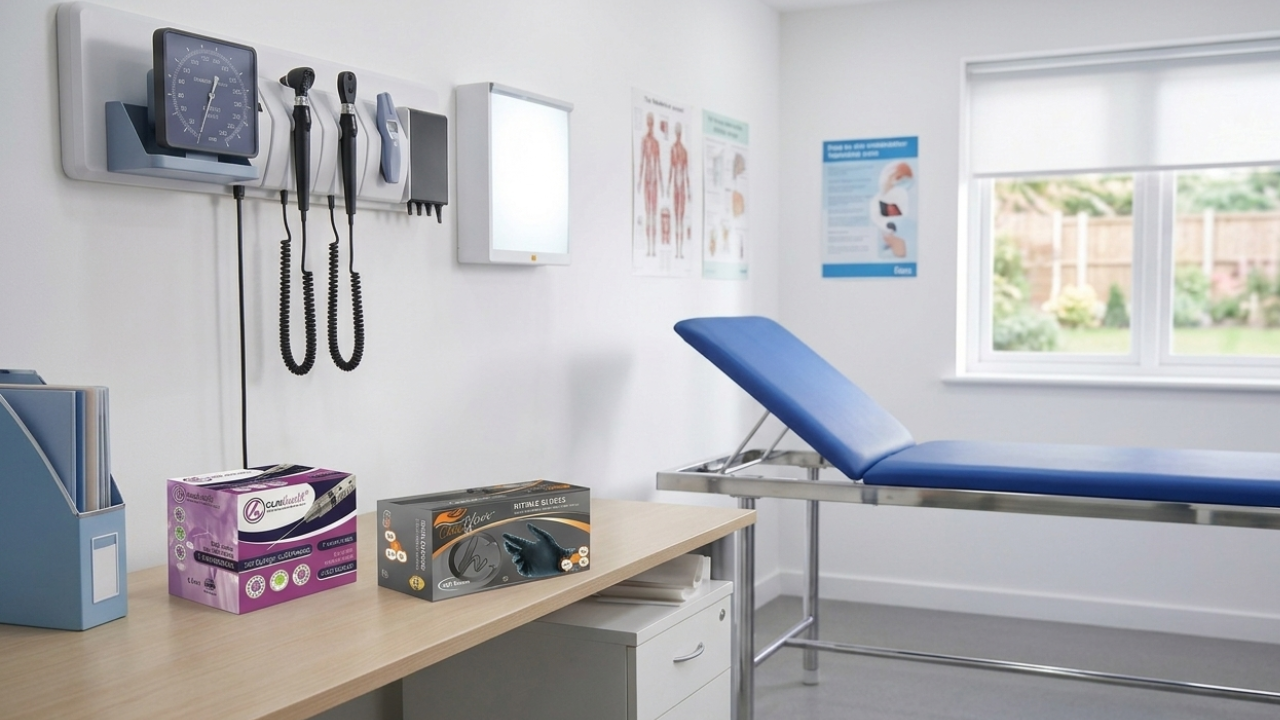
Starting a new GP practice is an exciting milestone, but ensuring you have the right equipment from day one is essential for long-term success. From meeting compliance requirements to delivering exceptional patient care, your choice of medical equipment directly impacts the efficiency of your practice and the quality of care you provide.
Whether you are opening a private practice, community clinic, or occupational health facility, this comprehensive checklist will help ensure your practice is equipped to operate smoothly from the outset.
1. Core Diagnostic Instruments
Accurate diagnosis begins with high-quality, reliable diagnostic tools. Every GP practice should have the following essentials:
- Diagnostic Sets (ENT Set and Otoscope): Essential for ear, nose, throat, and eye examinations.
- Blood Pressure Monitors: Manual or digital blood pressure monitors are vital for routine check-ups and chronic disease management.
- Thermometers and Pulse Oximeters: Used for rapid temperature assessments and monitoring blood oxygen saturation levels.
- Stethoscopes: An indispensable tool for assessing heart, lung, and bowel sounds during patient examinations.
Tip: Consider investing in a wall-mounted diagnostic set to save valuable desk space and reduce the risk of accidental damage.
2. Practice and Patient Furniture
Comfortable, durable furniture enhances both the patient experience and staff efficiency.
Key furniture requirements include:
- Examination Couches: Provide a safe and comfortable surface for patient examinations while improving accessibility.
- Medical Trolleys: Keep instruments, consumables, and equipment organised and within easy reach.
- Wheelchairs and Mobility Aids: Particularly useful for practices that treat elderly, disabled, or post-surgical patients.
- Instrument Trays: Help organise equipment and maintain efficiency during procedures.
Investing in quality furniture not only improves workflow but also creates a more professional environment for patients.
3. Essential Consumables
Consumables are used daily—often hourly—in a busy GP practice. Maintaining adequate stock levels helps prevent disruptions to patient care.
Essential consumables include:
- Gloves: Nitrile or latex gloves in a variety of sizes.
- Needles and Syringes: A range of gauges and sizes for vaccinations, blood collection, and minor procedures.
- Wound Care Supplies: Including dressings, gauze, plasters, and transparent film dressings for treating minor injuries.
- Medical Tapes: Such as microporous and zinc oxide tape for securing dressings and general clinical use.
- IV Administration Sets and Catheters: Required for practices offering intravenous treatments or infusions.
- Cotton Products: Essential for a wide range of everyday clinical tasks.
A reliable supply of consumables ensures your practice remains prepared for routine appointments and unexpected patient needs.
4. Point-of-Care Testing Essentials
Rapid, in-practice testing enables faster diagnoses, reduces unnecessary referrals, and improves patient satisfaction.
Consider stocking:
- Glucose Meters and Test Strips: For diabetes screening and ongoing management.
- Urinalysis Strips and Analysers: Useful for routine health assessments, antenatal care, and urinary tract infection screening.
- Pregnancy Tests: An essential diagnostic tool for many general practices.
- Cholesterol and Haemoglobin Testing Equipment: Valuable for cardiovascular risk assessment and anaemia screening.
Providing point-of-care testing can improve patient retention by delivering quicker results and more convenient care.
5. Personal Protective Equipment (PPE) and Infection Control
Infection prevention and control are critical for patient safety and compliance with healthcare regulations.
Every practice should maintain adequate supplies of:
- Disinfectants: For cleaning and sanitising surfaces, equipment, and treatment areas.
- Masks and Aprons: To protect healthcare workers and patients.
- Shoe Covers and Mob Caps: Particularly useful in procedure rooms and controlled environments.
- Hand Hygiene Products: Including hand sanitisers and handwashing supplies.
A strong infection control strategy protects both staff and patients while helping maintain a safe clinical environment.
Buying Smart: Stock Right the First Time
Equipping a new GP practice requires careful planning and investment. Sourcing equipment from multiple suppliers can slow down your launch, complicate ordering processes, and make after-sales support more difficult.
Instead, consider consolidating your purchases through a trusted healthcare supplier. This simplifies invoicing, streamlines deliveries, and makes future reordering easier as you gain a better understanding of your practice’s usage patterns.
Having the right equipment in place from the start sets the foundation for the patient experience you want to deliver and positions your practice for long-term success.
Ready to Equip Your Practice?
Whether you’re opening a new clinic or upgrading an existing facility, Clinihealth offers a comprehensive range of medical equipment, furniture, consumables, diagnostic devices, and infection control products to support your practice.
Browse our full range online or contact our team for expert advice and a tailored quotation.